
How I Help Clients Lose Weight (2of3)
The Diet Approach That Works With Your Biology
You’re at the point now where you know your BMR…
You know what your calorie consumption is over a whole week…
You also know what percentage of your diet comes from carbohydrates, fats, and protein…
Now let’s look at what diet approach actually moves the needle...
This is probably the most asked question in health and nutrition:
What is the best diet for optimal health?
Most practitioners tend to dance around the answer...
I’m going to answer it...
The 'MediterrAsian' Diet
As the name suggests, this is a blend of traditional Mediterranean and Asian eating styles.
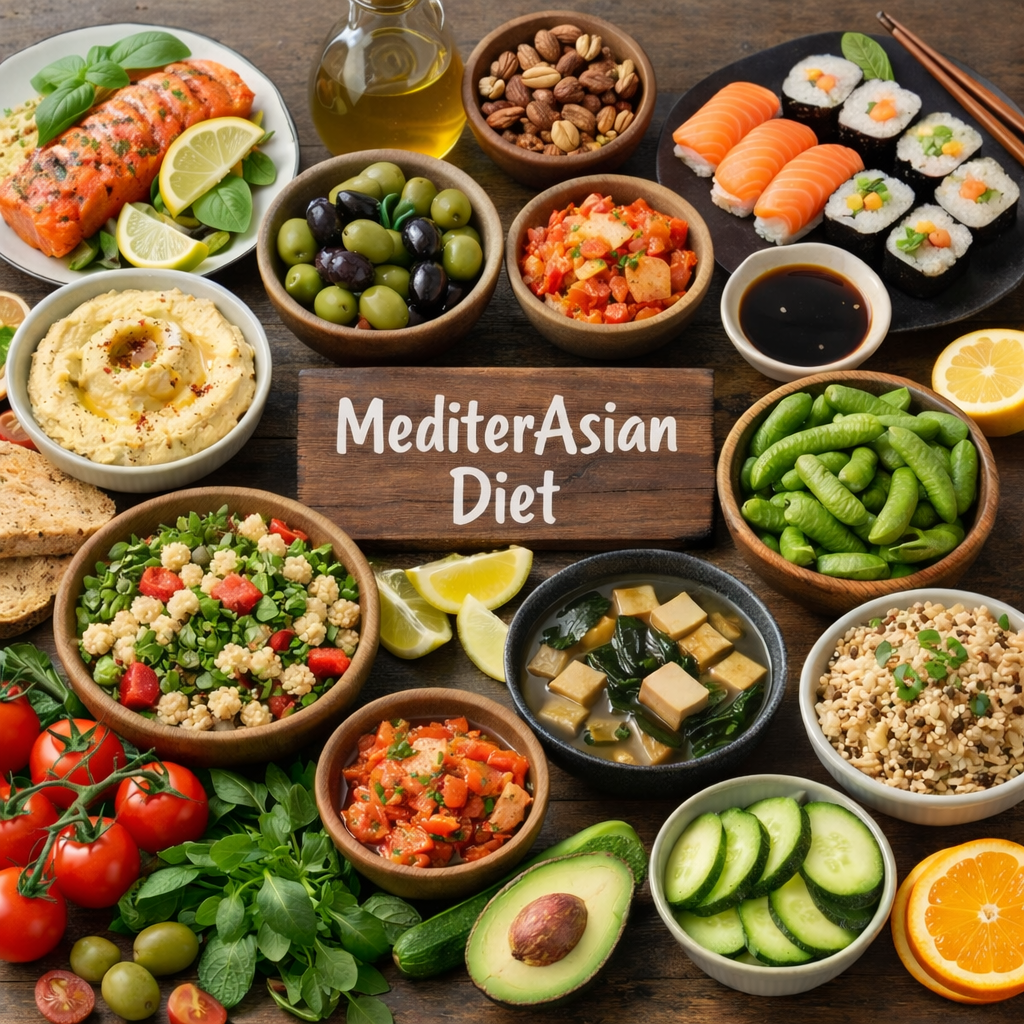
Why do I recommend this for weight loss?
Because it addresses the reasons weight gain happens in the first place.
Its...
Rich in plant-based foods (fruits, vegetables, legumes, whole grains, nuts, and seeds), providing high levels of fibre, polyphenols, antioxidants, vitamins, and minerals
Olive oil as the primary fat source, supplying monounsaturated fats and bioactive polyphenols associated with cardiovascular protection
Includes oily fish, contributing omega-3 fatty acids with well-established anti-inflammatory effects
High in antioxidants and phytochemicals (polyphenols, vitamins C & E, flavonoids), helping to neutralise oxidative stress and reduce chronic inflammation
Regular inclusion of fermented foods (such as yoghurt, kefir, olives, sauerkraut in Mediterranean patterns, and miso, tempeh, kimchi, and fermented soy in Asian cuisines), supporting gut microbiome diversity and metabolic health
Associated with improved metabolic health, including better blood sugar control, healthier lipid markers, and reduced cardiovascular disease risk
High fibre and nutrient density, supporting satiety, more stable glycaemic responses, and healthier long-term weight regulation
How does this help you lose weight?
High Fibre:
Slows gastric emptying by increasing meal viscosity.
It stimulates satiety hormones (including GLP-1 and PYY) via fermentation of soluble fibre in the gut
Reduces blood sugar spikes by lowering the glycaemic load of meals and improving insulin signalling
High antioxidants and polyphenols:
Reduce low-grade inflammation, which is known to impair insulin sensitivity and fat
Improve mitochondrial function and cellular energy handling
Support healthier gut bacteria, indirectly enhancing satiety signalling and metabolic efficiency
High unsaturated fats:
Improve insulin sensitivity compared to diets high in refined carbohydrates or saturated fats
Increase satiety by slowing digestion and enhancing post-meal fullness
Support more stable energy intake, reducing the drive to snack or overeat
High omega-3 fatty acids:
Reduce inflammatory signalling that interferes with metabolic flexibility
Improve fat oxidation and lipid handling
May enhance leptin and insulin signalling involved in appetite regulation
High protein:
Increases satiety through peptide hormone release
Preserves lean muscle mass during weight loss
Has a higher thermic effect compared to fats and carbohydrates
Low glycaemic carbohydrates:
Reduce rapid blood sugar rises and subsequent insulin spikes
Minimise reactive hypoglycaemia that drives cravings
Improve overall appetite regulation across the day
In other words:
This way of eating doesn’t rely on willpower or restriction.
It changes the signals that control hunger, fullness, and energy use which is why weight loss becomes more sustainable.
How do you actually use this information?
This is where most people get stuck.
They’ve tracked their food.
They’ve collected the data.
But they don’t know what to change or how to change it.
The goal isn’t to scrap everything you’re eating.
It’s to use the information you already have to make smarter adjustments to meals and snacks.
Step 1: Look at patterns, not perfection:
When you review your MyFitnessPal data over a full week, you’re not looking for “good” or “bad” foods.
You’re looking for patterns, such as:
Is fibre consistently low?
Are most calories coming from refined carbohydrates?
Is protein clustered into one meal instead of spread across the day?
Are snacks low in protein and fibre, but high in quick energy?
These patterns explain why hunger, cravings, and energy dips are happening.
Step 2: Adjust meals using the 'MediterAsian' framework:
Instead of changing calories first, you adjust food quality and structure.
For example:
If fibre is low:
Add vegetables, legumes, whole grains (Oats, quinoa, brown rice), or fermented vegetables to meals
Swap refined snacks for fruit + nuts, yoghurt, or leftovers from meals
If meals aren’t filling:
Anchor meals around a clear protein source
Add unsaturated fats (olive oil, nuts, seeds) to slow digestion
If blood sugar swings are obvious:
Reduce isolated carbohydrates
Pair carbs with protein, fibre, and fats
Shift portions earlier in the day where possible
These changes directly support satiety hormones, blood sugar stability, and appetite control, without eating less on purpose.
Step 3: Use snacks strategically:
Snacks aren’t a failure, they’re feedback.
Needing them often means your main meal didn’t provide enough protein or quality fats to keep you satisfied.
A MediterAsian-style snack typically includes:
Protein
Fibre or fermented foods
Healthy fats
This keeps hunger signals quiet between meals rather than constantly switching them back on.
Feeling empowered?
You now understand how your body responds to food and how small adjustments can shift appetite, energy, and metabolism.
When tracking highlights what’s missing rather than what’s “wrong”, weight loss becomes a by-product of better physiology, not tighter control.
To make this easier in practice, I recommend exploring this fantastic recipe library full of MediterAsian meals and snacks that are simple, nutrient-dense, and delicious: