
So… What’s the Deal with Fibre and Cholesterol?
If you already work with me regularly, you’ll know this is an area I’ve been talking about a lot lately...and for good reason.
When most people think about reducing cholesterol, they usually think about what food's they need to remove.
Less saturated fat.
Less processed food.
Less cheese.
Less butter.
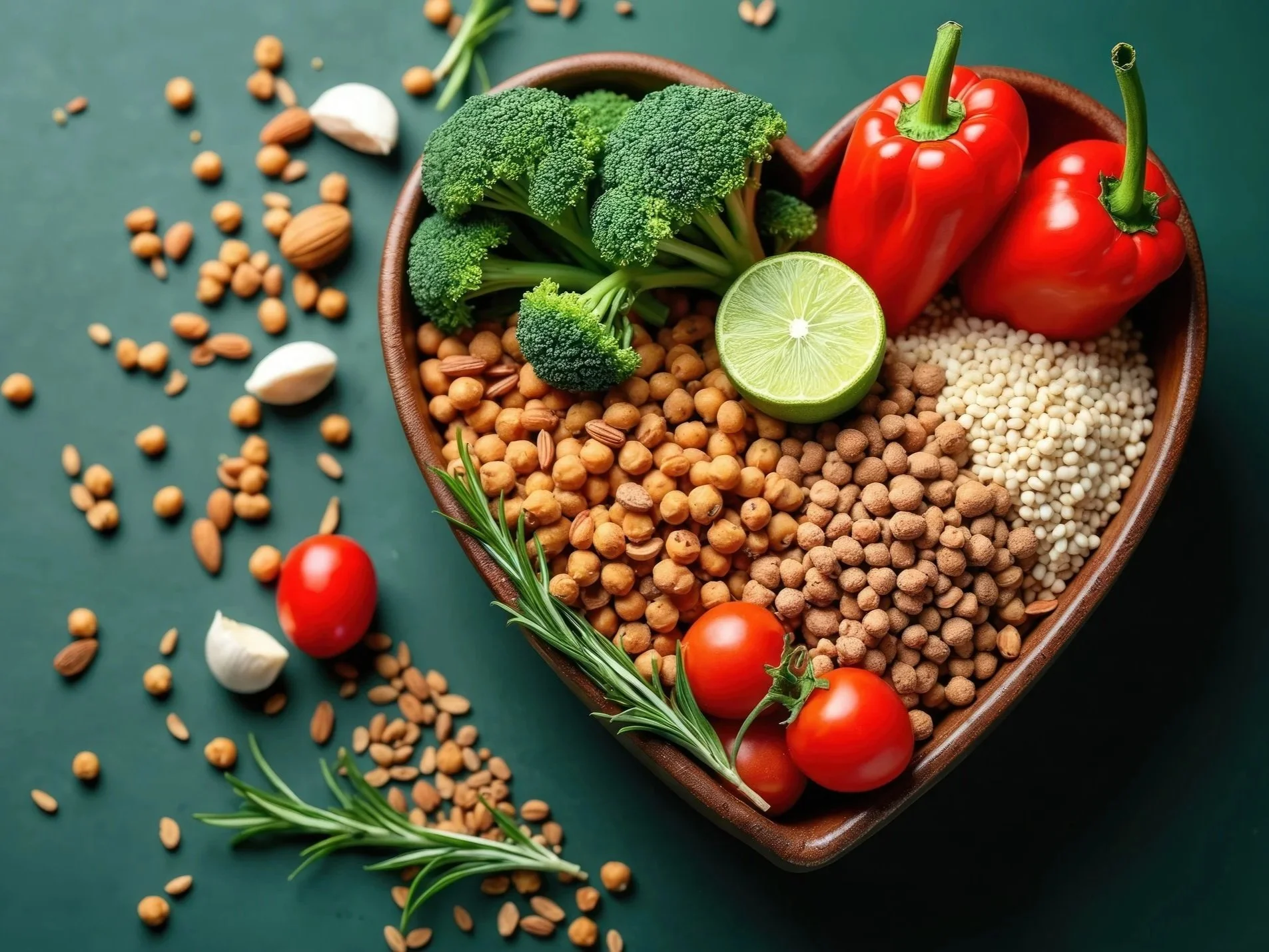
Which isn’t necessarily wrong. Reducing saturated fat can absolutely be an important lever to pull when trying to reduce LDL cholesterol levels.
However...
Research suggests that only around 20% of the cholesterol in your bloodstream comes directly from what you eat. The rest is produced by the body itself, mainly by the liver.
Soooo…
When we’re looking at improving cholesterol, it’s not just about what foods we take out.
It’s also about what we can add in to help pull cholesterol out of circulation.
And one of the most important things to add is...
FIBRE!
***More specifically...***The type of fibre that helps bind to bile acids in the gut.
Let me explain this is 6 simple stages...
Step 1: Your liver makes bile:
Bile is made in the liver using cholesterol as one of its raw materials.
Step 2: Bile helps you digest fat:
When you eat a meal containing fat, bile is released into the digestive system to help break that fat down and support absorption.
Step 3: Your body recycles most of it:
Once bile has done its job, most of it is usually reabsorbed and sent back to the liver to be used again.
(Its a recycling system...The body uses it, collects it back in, and keeps the supply topped up.)
Step 4: Fibre interrupts the recycling process:
Certain types of fibre can bind to bile acids in the gut. Instead of those bile acids being reabsorbed and recycled, fibre helps carry them out of the body through the stool.
(Now this is the key point)
Step 5: Your body has to make more bile:
Because some bile has now been removed, your liver has to make more.
And to make more bile, it needs.....
You guessed it...
Cholesterol!
Step 6: Cholesterol is pulled out of circulation:
So your liver pulls cholesterol from the blood to help replace the bile that has been lost.
This shows fibre in a whole new light...
And gives much-needed context to the “just eat more fibre” message that gets bandied about on social media.
In simple terms:
More soluble fibre
= more bile acids removed
= more cholesterol used to replace them
= less cholesterol circulating in the blood
So, what does this look like practically?
Please don't start eating bowls of bran flakes...
You can start by building more of these foods into your week:
Oats:
A great source of beta-glucan, one of the best-known cholesterol-supportive fibres.
Ground flaxseed:
Useful for fibre, healthy fats, and helping increase the overall fibre load of a meal.
Chia seeds:
These form a gel-like texture when soaked, which is exactly the kind of property we are looking for when thinking about soluble fibre.
Nuts and seeds:
Helpful for fibre, minerals, and healthy fats. Walnuts, almonds, pumpkin seeds and sunflower seeds can all work well.
Beans, lentils and chickpeas:
Often overlooked, but excellent for fibre and metabolic health.
Fruit such as apples, berries and kiwi:
These bring fibre, polyphenols and additional nutrients that support both gut and cardiovascular health.
A simple way to start is: Breakfast
Which brings me to one of my favourite options:
High-Protein, High-Fibre Overnight Oats:
This is a great breakfast if you want something that supports cholesterol, gut health, blood sugar stability and satiety.
Ingredients:
50g of rolled Oats
50g of Greek or Natural yogurt
50g cottage cheese
Buy Linwoods Milled Flaxseed Almonds Brazil Nuts Walnuts & Co-Enzyme Q10 - 2x heaped tbsp
A splash of milk or kefir to loosen
½ teaspoon cinnamon
Optional: small drizzle of honey or maple syrup if needed
1 kiwi, chopped
A handful of blueberries
Method:
Mix the yogurt, cottage cheese, oats, Linwood mix, cottage cheese, milk or kefir, chopped kiwi, blueberries and cinnamon in a bowl or jar.
Leave in the fridge overnight.
That's it!
The power of Fibre needs to be understood!
The bottom line is Fibre helps remove bile acids, support cholesterol clearance, feed the gut microbiome, improve satiety, and create a better metabolic environment overall.
So, if your cholesterol is higher than you would like, one of the first questions to ask is not just:
“What do I need to cut out?”
Its also:
“Am I eating enough of the foods that help my body clear cholesterol properly?”
And for many people, the answer is probably not.
Start here.