
The 5R's: REMOVE: The 'Ah That Feels Better' Phase
Most people hear “Remove” and think:
“Ah good… another list of foods I’m not allowed to eat...thanks Ben"
Totally fair.
But, let me try to reframe it:
'Remove' isn’t about restriction...It’s about pressure reduction.
It’s the phase where you give your gut a break.
A vital hiatus from triggers when it’s inflamed, bloated and feeling pretty 'meh'.
Because if you’re dealing with symptoms like:
Bloating that builds as the day goes on
Reflux that “mysteriously” returns
Constipation or loose stools (sometimes both, depending on the day)
Gas that could power a small village
Food fear and endless experimentation
…then the last thing you need to do is “add more things”.
You need to 'Remove' the biggest sources of irritation, fermentation and load, so your system can finally calm down.
REMOVE is not “forever”
This is important.
Remove is a phase, not an identity.
The goal isn’t to cut everything out and become the person who “can’t eat anything”.
The goal is to create a stable baseline, reduce symptoms, and then build back intelligently.
Think of it like this:
Key concept: If your gut is a smoke alarm going off all day...The 'Remove' phase is turning down the smoke…so we can actually find the fire.
The Low FODMAP Diet
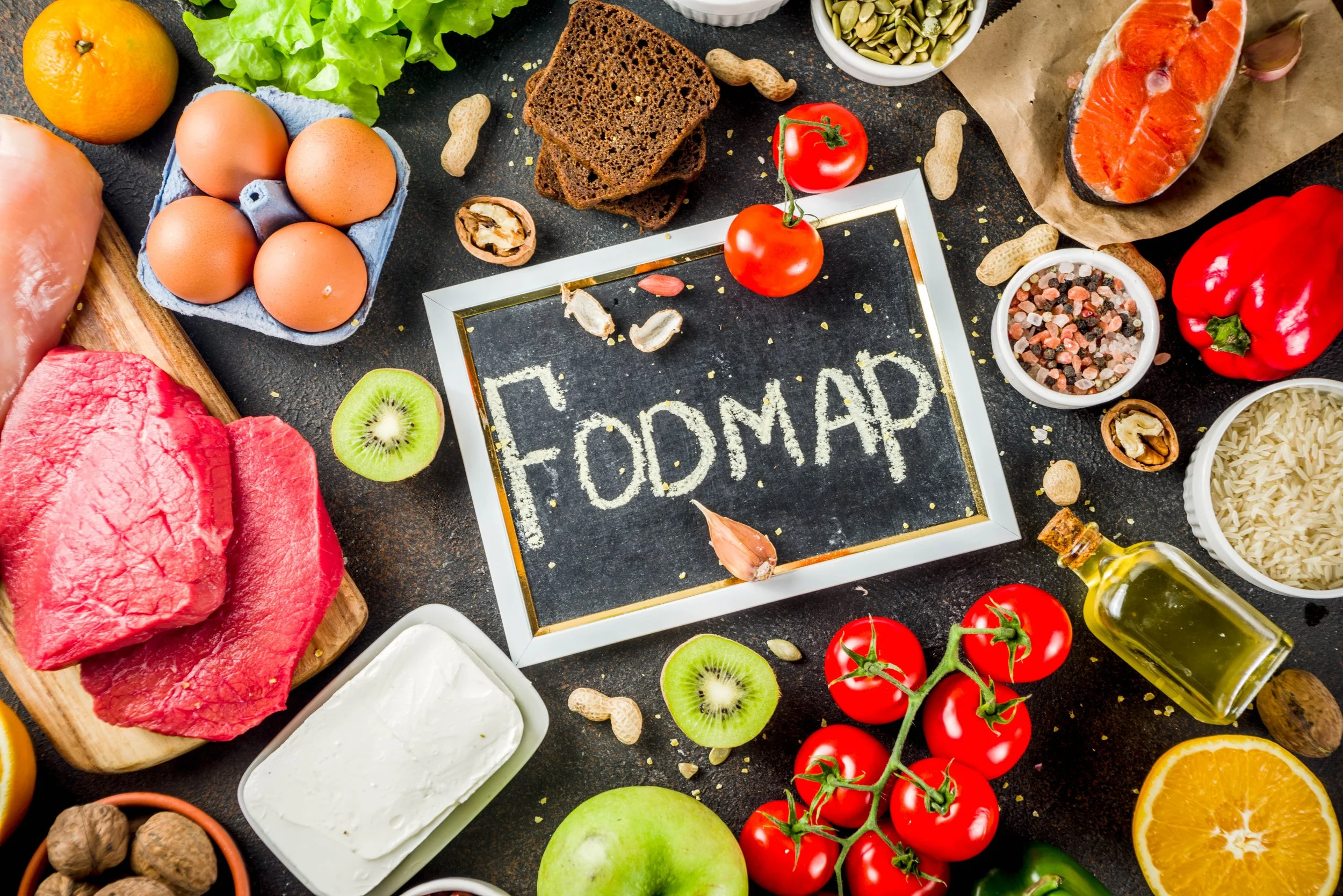
Used properly
Low FODMAP can be incredibly useful… when it’s used as a tool.
In my experience, most people use it like this:
Go low FODMAP
Feel better
Stay there for ages
Get more restricted, more anxious, more fragile
Symptoms return
'Why, Ben'?
Because low FODMAP is brilliant at reducing excess fermentation, which is driving many gut symptoms…but it doesn’t fix the reason fermentation is happening in the wrong place.
Enter SIBO / motility issues / bile flow / stress.
So here’s how to think about it:
✅ Low FODMAP = symptom relief + clarity
❌ Low FODMAP = not the full solution
If you’re doing this phase, you’re basically saying:
“Let’s reduce fermentable fuel temporarily… while we work on why my gut can’t handle it right now.”
Remove isn’t just FODMAPs
“Remove” isn’t just about food.
It’s about triggers.
Because for some people the biggest “gut irritants” are more than just garlic and onions…
Alcohol:
Yes, even the “just weekends” kind
Alcohol can:
Irritate the gut lining
Alter motility and not in a good way
Increase reflux, especially wine / fizz
Disrupt sleep, which raises stress hormones and worsens digestion
Feed dysbiosis in certain cases
You may not even feel it until 24–48 hours after the fact, when your gut throws a tantrum.
Sometimes the cleanest and simplest 'Remove' win is simply:
2 - 4 weeks alcohol-free, just as an experiment.
Not forever...Just long enough to see what changes.
Gluten:
With context
This is where people get tribal.
So I’ll keep it simple:
If you’re coeliac, gluten is non-negotiable, obviously.
If you’re not coeliac, gluten may still be an issue due to:
Wheat fructans, a FODMAP
Highly processed flour
Additives/emulsifiers in modern breads
Overall gut permeability / immune activation in sensitive people, Non-Celiac Gluten Sensitivity - NCGS
It’s not that “gluten is evil”!
It’s:
Wheat-heavy + processed + high FODMAP + low resilience = symptoms.
For the 'Remove' phase, I often trial:
gluten out temporarily…and then we test reintroductions properly later.
Ultra-processed “healthy” foods:
This one always catches out high-performers.
You clean things up…and digestion worsens.
"Why, Ben, why?"
Because many “healthy” alternatives, think protein bars, on the go protein shakes etc, include things like:
Sugar alcohols, polyols = rocket fuel for bloating
Chicory root / inulin / “added fibre” bars = FODMAP bomb
Protein bars / shakes with gums and emulsifiers
“High protein” snacks that are basically science experiments
So 'Remove' sometimes means:
less ‘functional food’… more actual food.
What's the 'REMOVE' phase trying to achieve?
In simple terms:
Reduce fermentation, less gas, bloating, pressure
Reduce irritation, less reflux, burning, gut reactivity
Reduce immune load, less inflammation / sensitivity
Create a stable baseline, so we know what’s actually happening
That baseline is what allows the next step to work:
The 'Replace' phase — support what’s missing: HCL acid, enzymes, bile, motility.
Because once the gut is calmer… the support works so much better.
A simple REMOVE plan
That doesn’t ruin your life
If you want to trial this sensibly, here’s a clean approach:
For 14 days:
Choose a low FODMAP structure, not perfection.
Remove obvious triggers:
Alcohol
Wheat-heavy foods
Ultra-processed snacks / bars / “'High-protein' foods”
Keep meals simple and repeatable - I cant emphasis this enough
Meal structure:
Protein base: Beef, lamb, fish, chicken, eggs, yoghurt, if tolerated
Cooked veg that’s generally easier: courgette, carrots, spinach, peppers
A carb you tolerate: rice, potatoes, oats for some
Healthy fats: olive oil, butter/ghee if tolerated, nuts in sensible amounts
Check out the Monash 3-step low FODMAP guide further guidance
Then...we don’t stay here forever.
We use the calmer baseline to decide what’s next:
Is this likely SIBO/motility driven?
Is it more reflux/upper GI support?
Is stress and sympathetic dominance dominating digestion?
Is constipation the bottleneck?
You get the idea...that’s how we stop guessing.
The Key Message
If you take nothing else from this:
Remove is not the solution..
It’s the stabiliser...and it’s only the first step in rebuilding your gut.
It’s the phase that stops the constant flare/relapse cycle…
so we can actually fix what’s underneath.
My next blog will break down REPLACE and why most people think they have “food intolerances”… when actually they have a digestive capacity problem.